
Chemical Peels
About Chemical Peels
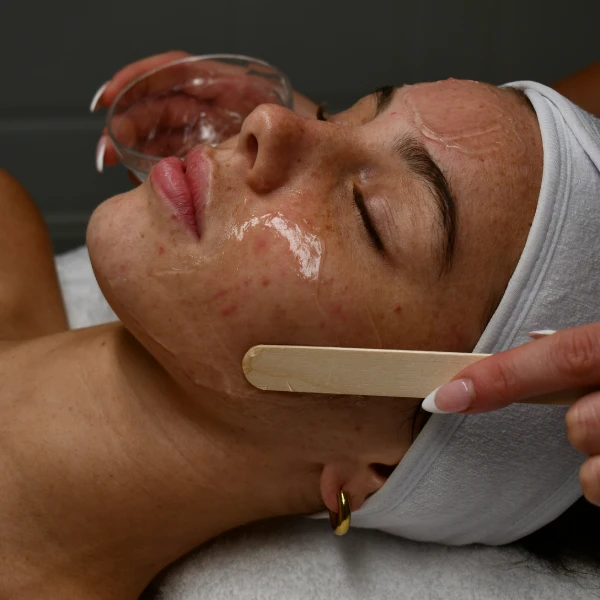
A Chemical Peel is a professional skin-resurfacing treatment designed to improve the tone, texture, and overall appearance of your skin. It involves applying a specialized chemical solution to gently exfoliate the top layers of the skin, encouraging new, healthy skin cells to surface.
Depending on the strength and type of peel used — such as glycolic, lactic, salicylic, or TCA — treatments can target a variety of concerns, from dullness and congestion to pigmentation and fine lines.
How often can they be done?
The frequency of chemical peels depends on your skin type, concerns, and the strength of the peel:
- Light peels (gentle exfoliation): every 2–4 weeks for maintenance and radiance.
- Medium peels (deeper resurfacing): every 6–8 weeks or as recommended by your therapist.
- Deep peels (intensive correction): typically performed once or twice a year.
For best results, a series of 3–6 treatments is often recommended, followed by maintenance treatments every few months to keep the skin glowing and healthy.
Benefits of a Chemical Peel
- Improves Skin Texture: Smooths rough or uneven skin and refines pores.
- Brightens Complexion: Removes dead skin cells, revealing fresher, more radiant skin.
- Reduces Pigmentation: Helps fade sun damage, age spots, and acne scars.
- Minimizes Fine Lines: Stimulates collagen production for firmer, more youthful-looking skin.
- Clears Breakouts: Unclogs pores and helps reduce acne and blackheads.
- Evens Skin Tone: Promotes a balanced, glowing complexion.